Optimizing Cross-Market Transitions via Alert Coordination and Tiered Rewards in Football In-Play, Equine Assessments, and Slot Progressions
Written by Ben Vogel · Aug 11, 2026
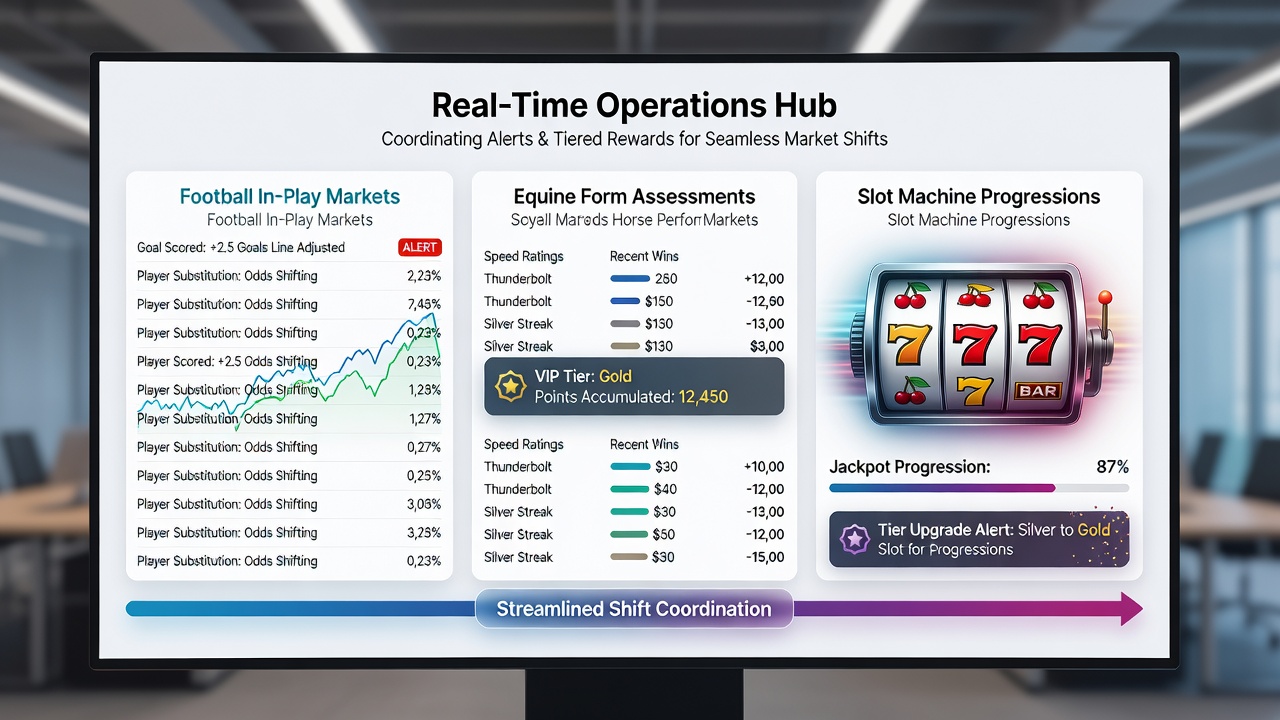
Optimizing Cross-Market Transitions via Alert Coordination and Tiered Rewards in Football In-Play, Equine Assessments, and Slot Progressions
Platforms managing multiple betting verticals have developed systems that link real-time alerts with tiered loyalty structures, allowing users to move between football in-play markets, equine form assessments, and slot machine progressions without losing context or accumulated benefits. In August 2026, several operators reported measurable increases in session continuity after deploying these coordinated tools, with data indicating higher completion rates for multi-market sequences.
Real-Time Alert Mechanisms Across Vertical Markets
Alert systems pull live data feeds from football matches, horse racing records, and slot game states, then deliver notifications that highlight relevant opportunities in each area. Operators configure these alerts to trigger based on specific thresholds, such as odds movements during in-play football segments or updates to equine performance metrics before race starts. The same infrastructure monitors slot progression meters, sending prompts when bonus rounds near activation or when loyalty points approach redemption levels.
Integration occurs through centralized user profiles that maintain a single view of activity across all three categories. When a football in-play market shows rapid price changes, the alert can reference a user's prior equine form checks or slot session history, suggesting a logical pivot point. Studies from the International Gaming Institute document how such unified alert layers reduce decision latency for participants who regularly engage multiple product types.
Tiered Loyalty Structures and Their Influence on Market Shifts
Loyalty programs divide users into tiers based on combined activity across football, racing, and slots rather than isolating each vertical. Higher tiers unlock accelerated reward accrual that applies uniformly, so points earned from slot progressions can offset entry costs into equine assessments or football in-play positions. This structure encourages users to maintain presence across categories because tier status depends on aggregate volume.
Redemption options at upper tiers often include market-specific credits that facilitate quick switches, such as free spins that convert into stake boosts for live football or form-analysis tools that enhance horse racing decisions. Data from the Australian Gambling Research Centre shows that tiered systems with cross-vertical portability correlate with longer average user lifetimes when compared to siloed reward models.
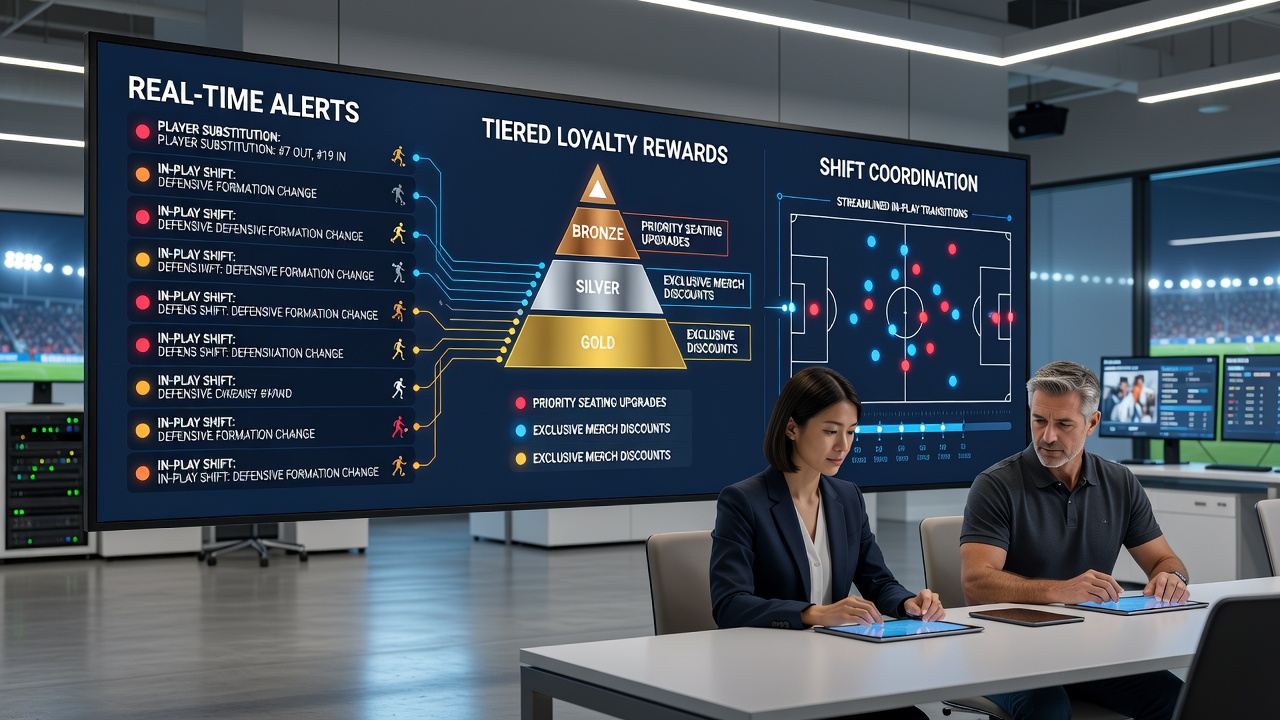
Coordinating Alerts with Loyalty Tiers for Seamless Transitions
The combination of alerts and tiered rewards creates feedback loops where notifications not only inform but also activate pending benefits. For instance, an alert about an equine form update can simultaneously display a tier-based bonus available only if the user completes a slot progression segment first. This sequencing keeps activity flowing without requiring separate logins or manual benefit checks.
Technical implementations rely on event-driven architectures that synchronize data across the three market types in sub-second intervals. When a slot machine advances a progression meter, the system evaluates whether the user's current tier qualifies for an enhanced football in-play alert or an equine assessment discount. Observers note that platforms employing these synchronized rules report fewer abandoned sessions during market transitions.
Case examples include operators that adjusted alert timing to coincide with loyalty tier resets at the start of each month. In August 2026, one such adjustment produced a documented rise in cross-market sequences, particularly among users who began in slots and moved into football in-play after receiving a targeted notification about available tier rewards.
Implementation Patterns Observed in 2026
Operators have adopted modular designs that allow independent scaling of alert engines and loyalty engines while maintaining shared user state. This modularity supports regional variations, with some jurisdictions requiring additional compliance layers around notification frequency and reward transparency. Reports from the Malta Gaming Authority highlight how such modular approaches help operators meet differing regulatory expectations without fragmenting the user experience.
Training data sets used to refine these systems draw from historical patterns of movement between football in-play volatility, equine form stability, and slot progression pacing. Analysts update the models quarterly, incorporating new variables such as mobile network latency effects on alert delivery during peak racing periods.
Conclusion
Coordinated alert and loyalty systems provide measurable structure for users navigating football in-play markets, equine form assessments, and slot machine progressions. Continued refinement of these tools depends on ongoing data collection from multi-vertical platforms and regulatory guidance from bodies operating outside single jurisdictions. As activity levels evolve through late 2026, the emphasis remains on maintaining synchronization between notification timing and reward portability.