Mechanics Driving Swift Resolutions in Multi-Event Wagering Platforms
Written by Jonas Weber · Oct 31, 2026
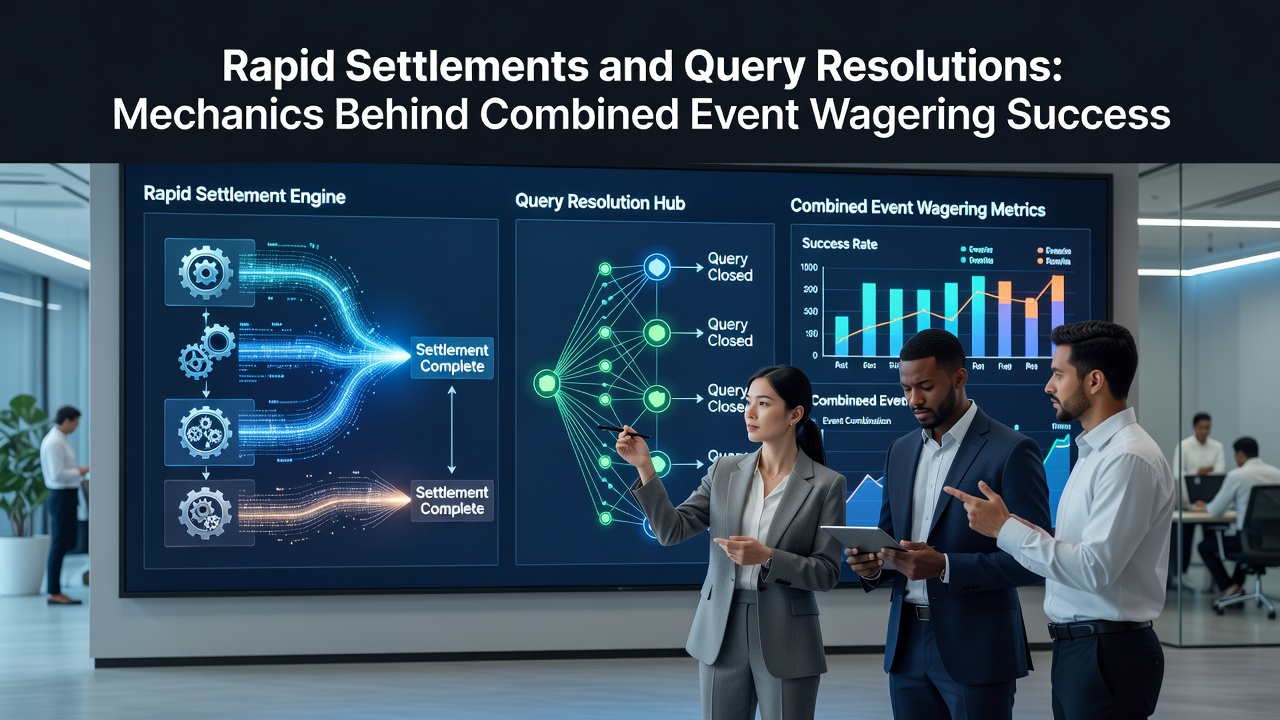
Mechanics Driving Swift Resolutions in Multi-Event Wagering Platforms
Combined event wagering requires platforms to process multiple outcomes from soccer matches, horse races and casino sessions at once, which means settlement systems must handle high volumes without delays, and data from the European Gaming and Betting Association indicates that automated verification tools reduce processing times by integrating real-time feeds from various sportsbooks and gaming providers.
Operators deploy algorithms that cross-check results across different markets while bettors remain active, and this approach allows funds to reach accounts within minutes rather than hours, whereas manual reviews previously extended wait periods during peak October 2026 schedules when major football leagues and racing festivals overlapped.
Core Components of Settlement Technology
Settlement engines pull data directly from official sources such as league APIs and track timing systems, then apply predefined rules to confirm wins or losses across accumulator bets that span several categories, so one study from the Remote Gambling Association found that these integrations cut error rates by linking live updates to payout triggers without requiring separate approvals for each leg.
Payment gateways connect to banking networks and digital wallets that support instant transfers, and platforms coordinate these with bonus calculations so accumulated winnings from one event automatically fund wagers on the next, which keeps sessions continuous during busy periods like the packed October calendar.
Handling Queries Through Structured Resolution Paths
Query systems route customer issues to specialized teams or chatbots trained on common scenarios involving disputed outcomes in combined bets, and when a settlement appears incorrect the process begins with automated checks against stored result logs before escalating to human review if needed, while research from the Canadian Gaming Association shows structured ticketing reduces average resolution time to under thirty minutes in most cases.
Support staff access unified dashboards that display bet histories, live feeds and transaction records together, which enables them to address multiple event queries in a single interaction rather than fragmenting responses, and this method proves effective when users switch between football in-play markets, racing doubles and slot progressions within the same account session.
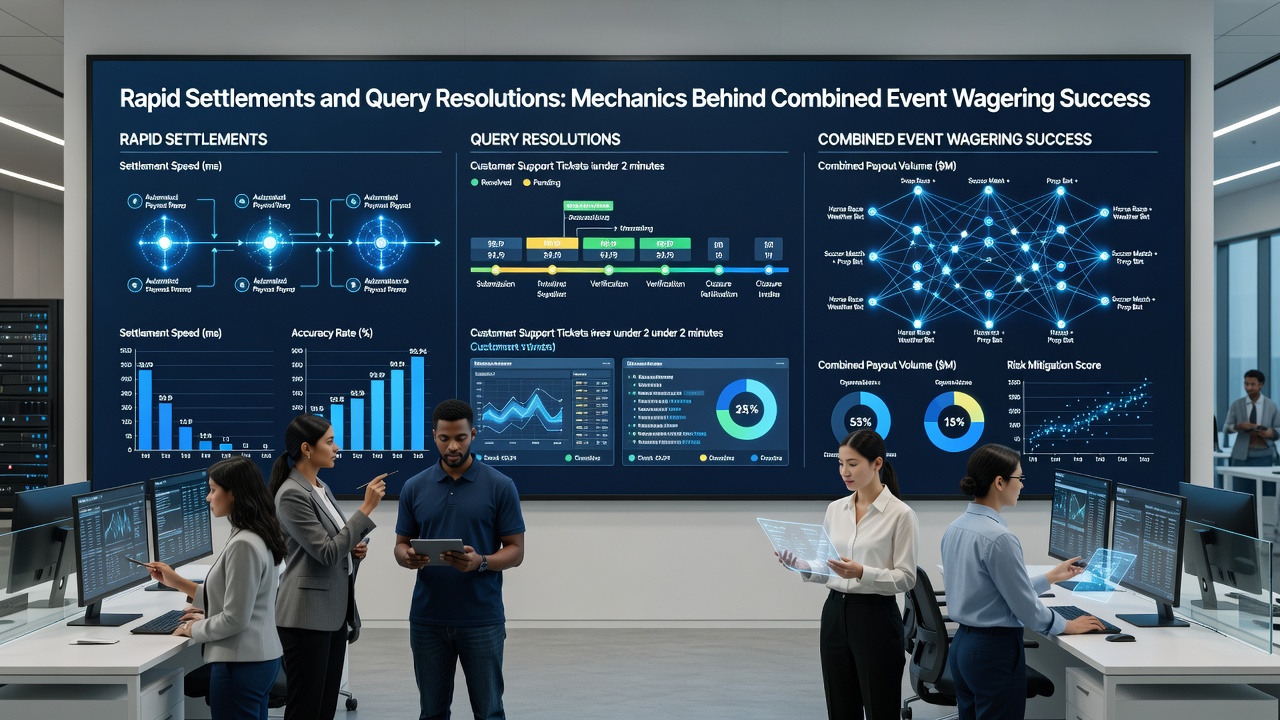
Integration Across Wagering Categories
Platforms synchronize settlement protocols so that a confirmed soccer goal triggers immediate adjustment to related accumulator values while horse race results update simultaneously, and casino spin outcomes feed into the same ledger, which means users see unified balances without waiting for separate confirmations from each vertical.
Regulatory frameworks in several jurisdictions require transparent audit trails for these combined processes, and operators maintain logs that detail every data pull and payout decision so compliance checks can verify fairness across the full range of events, whereas fragmented systems once created gaps that complicated oversight during high-volume months.
Impact on Platform Performance and User Retention
Figures from industry monitoring groups reveal that sites with sub-five-minute settlement averages experience higher repeat engagement rates across mixed betting portfolios, and the ability to resolve queries before the next event starts prevents users from abandoning sessions when timing matters most in live markets.
October 2026 saw increased overlap between international football fixtures and major racing meetings, which tested these systems under sustained load, yet platforms that maintained rapid query handling reported steady transaction volumes without the spikes in support tickets that slower setups typically generate.
Conclusion
Effective mechanics for rapid settlements and query resolutions rely on interconnected data systems, trained support structures and regulatory-compliant logging that together support seamless movement between event types, and continued refinement of these elements enables platforms to manage the growing complexity of combined wagering without interruption.