Integrating Real-Time Transaction Checks with Fluctuating Markets in Football, Horse Racing, and Casino Operations
Written by Petra Russell · Nov 14, 2026
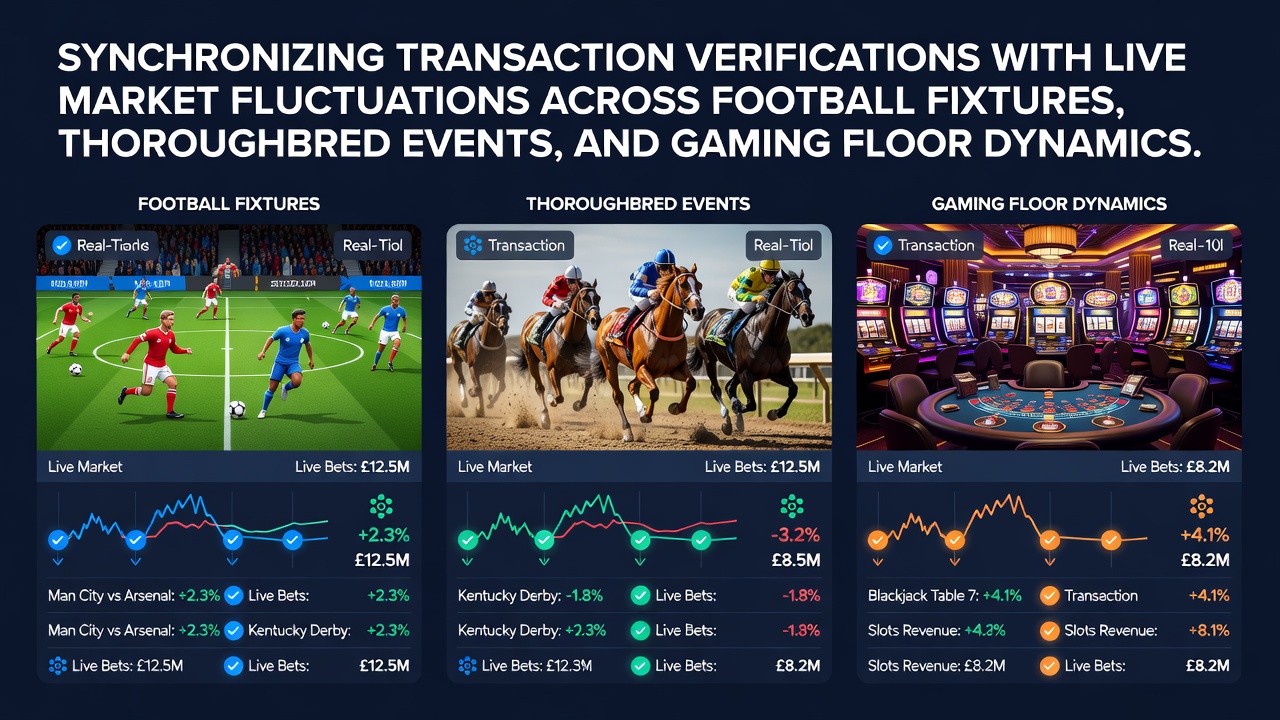
Integrating Real-Time Transaction Checks with Fluctuating Markets in Football, Horse Racing, and Casino Operations
Systems that align transaction verifications with live market changes now operate across football fixtures, thoroughbred events, and gaming floor dynamics, where odds shift in seconds and payment confirmations must keep pace. Data from regulatory bodies in multiple regions shows operators deploying automated protocols that cross-reference incoming bets against current price feeds before finalizing approvals. These mechanisms handle high volumes during peak periods, including fixtures scheduled through November 2026, while maintaining compliance with jurisdiction-specific rules.
Core Mechanisms in Live Football Markets
Football betting platforms rely on continuous data streams from match events such as goals, substitutions, and card issuances, each triggering immediate odds recalculations that verification layers must accommodate. Operators connect these streams to payment gateways so that a wager placed on an in-play outcome receives clearance only after the system confirms the current market state matches the bet parameters. Studies from research institutions in Canada indicate that latency below 200 milliseconds between price update and verification completion reduces disputed transactions by measurable margins during major league seasons. Payment processors integrate APIs that pull live odds snapshots at the exact moment of bet submission, allowing the system to reject or adjust entries where discrepancies appear.
Handling Shifts During Thoroughbred Events
Thoroughbred racing presents distinct synchronization challenges because odds move rapidly in the minutes before post time and continue fluctuating based on track conditions or late scratches. Verification routines pull updated tote board figures and cross-check them against submitted wagers before releasing funds from player accounts. Reports compiled by the Australian Communications and Media Authority highlight how operators in that region employ timestamped audit trails that log both the market price at verification and the transaction outcome, creating records usable for regulatory reviews. These trails prove especially valuable during multi-race meetings where bettors switch between events in quick succession, requiring the platform to refresh verification parameters without interrupting the overall flow.
Adaptations on Gaming Floors
Casino environments blend table games and electronic terminals where progressive jackpots and side-bet multipliers change according to aggregated play patterns. Transaction verification systems monitor these dynamic elements by maintaining live connections to game servers, ensuring that any payout request reflects the multiplier state at the precise moment of the win. Observers note that integration with loyalty databases further refines the process, as player status levels can influence both odds adjustments and verification priority queues during busy periods. Figures released by the Nevada Gaming Control Board demonstrate steady growth in the deployment of such synchronized systems across properties that combine sportsbooks with traditional gaming floors.
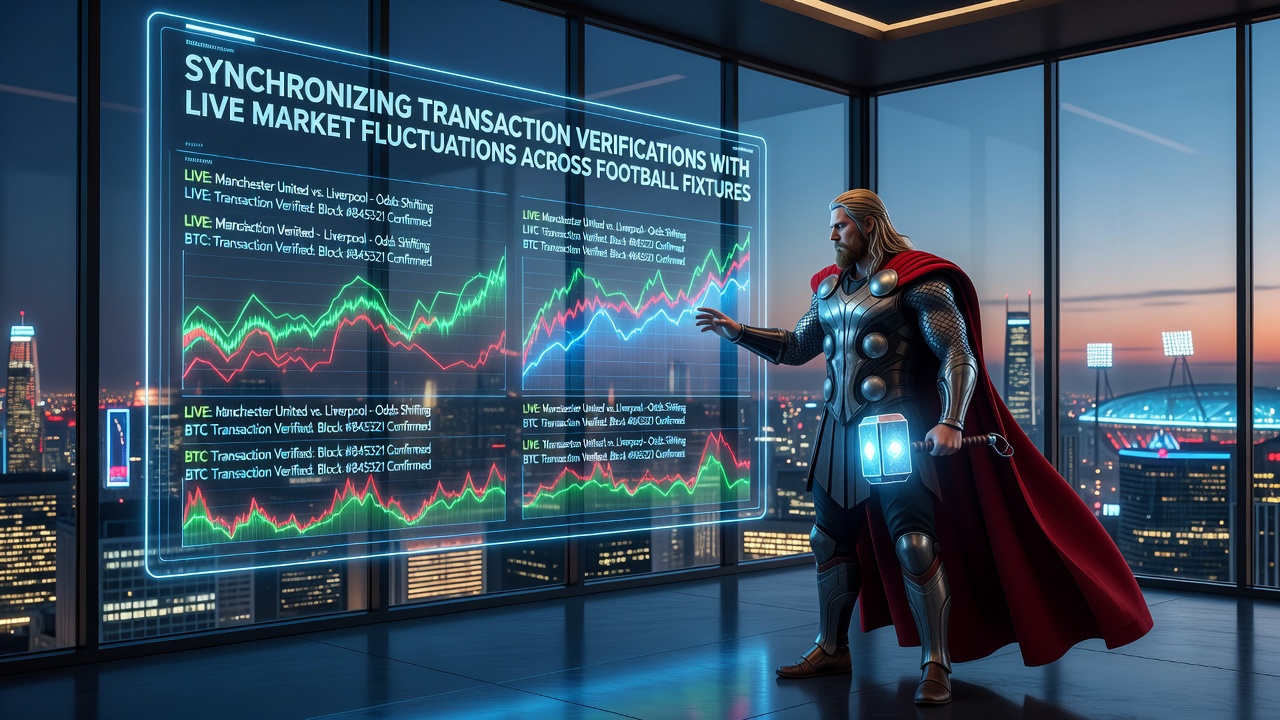
Hybrid venues increasingly adopt unified dashboards that present football, racing, and casino data streams in parallel, allowing staff to monitor verification queues across all verticals from a single interface. When market volatility spikes, such as during a late goal in an evening football match overlapping with a stakes race and a casino tournament round, the system prioritizes transactions by risk tier rather than arrival order. This approach prevents bottlenecks while preserving the integrity of each market's pricing integrity.
Technical Integration Patterns
Developers build these synchronization layers around event-driven architectures that trigger verification workflows whenever external data feeds broadcast price changes. Middleware components translate between betting engines and financial processors, inserting checksums that confirm the odds snapshot remains valid throughout the approval window. Research papers from European academic groups describe testing protocols where simulated volatility scenarios measure system resilience, with results showing improved accuracy when verification includes a secondary confirmation step against backup data sources. Such redundancy proves useful during network congestion events that coincide with high-traffic periods in November 2026 schedules.
Conclusion
Coordination between transaction verification and live market data continues to evolve across football, thoroughbred, and casino sectors as operators refine protocols to match the pace of price movements. Regulatory reports from varied jurisdictions document ongoing adoption of these integrated approaches, while technical documentation outlines the underlying data flows that keep verifications aligned with shifting conditions. The pattern remains consistent: platforms that maintain tight coupling between market feeds and payment systems sustain operational continuity even when multiple event types run simultaneously.