Blending Insight Platforms with Transaction Routes to Refine Live Adjustments in Football, Horse Racing, and Virtual Tables
Written by Petra Russell · Sep 19, 2026
Blending Insight Platforms with Transaction Routes to Refine Live Adjustments in Football, Horse Racing, and Virtual Tables
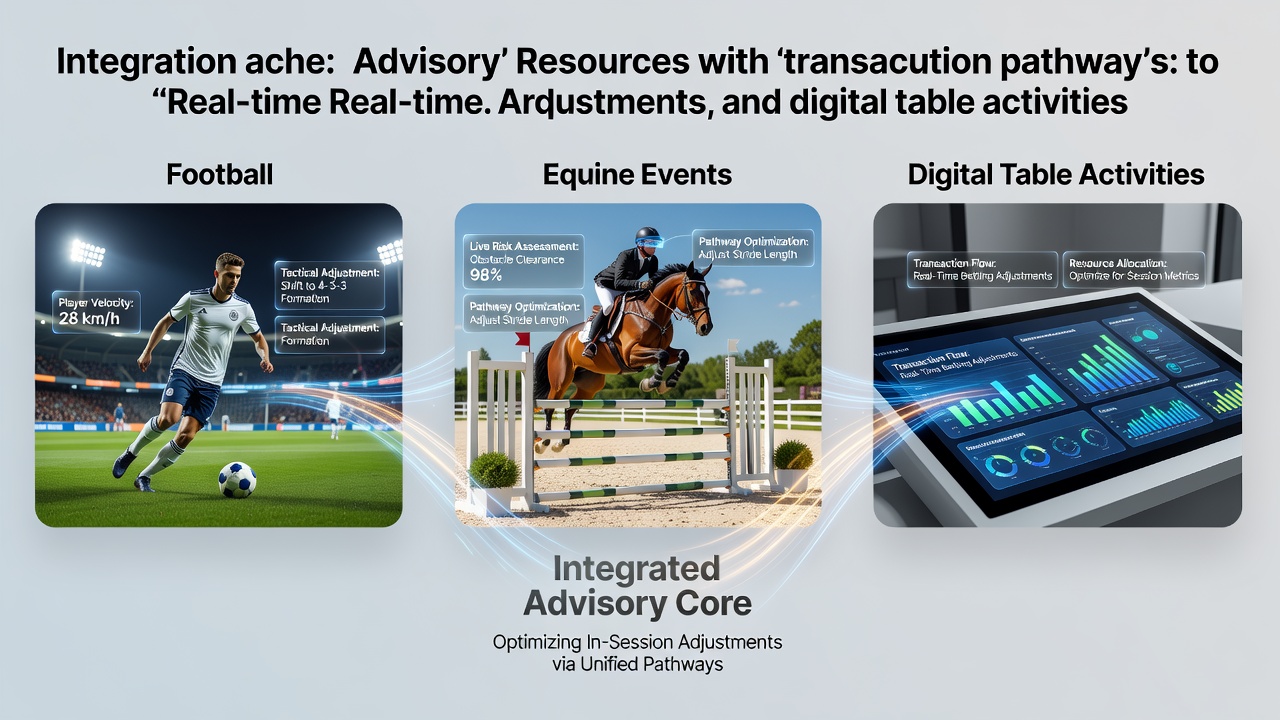
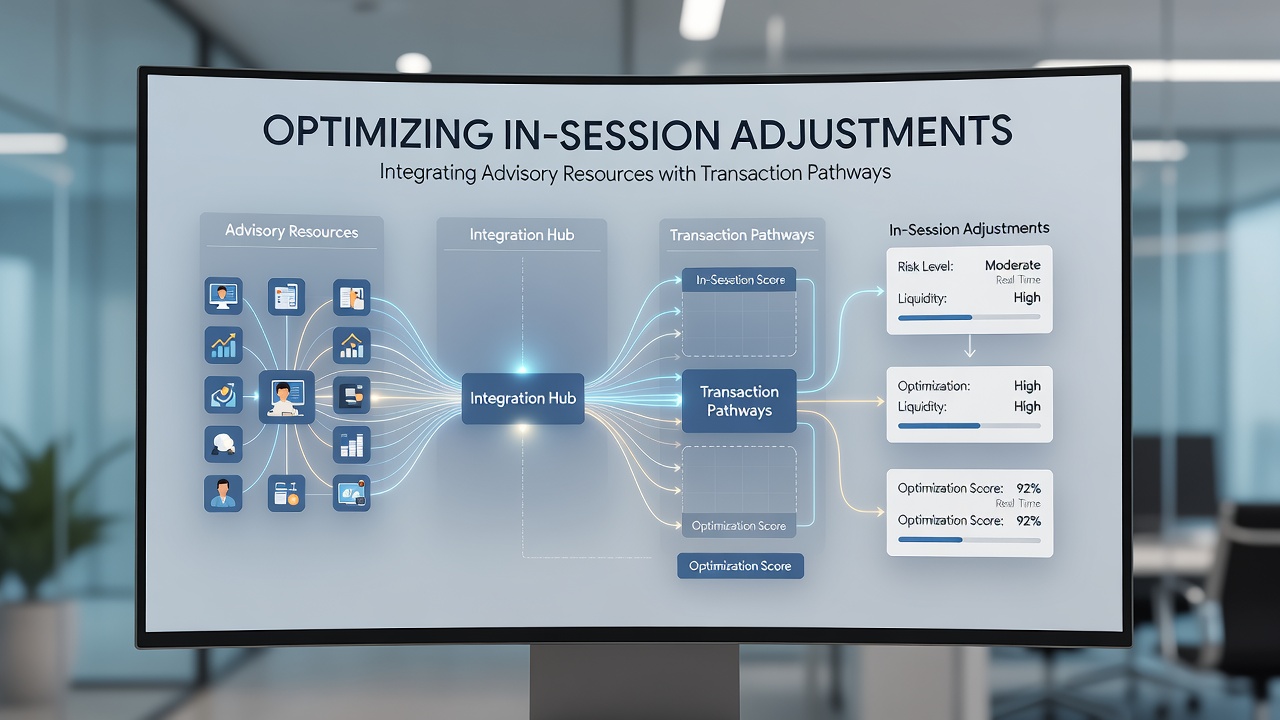
Platforms handling football wagers, equine betting, and digital table games have started routing advisory feeds straight into deposit and withdrawal systems, which lets users adjust stakes or shift selections without leaving the active session. This setup connects data sources like form guides and probability models directly to payment processors so that balance updates happen in real time while a match or race unfolds.
Core Mechanics of the Integration
Advisory resources enter the system through APIs that pull live statistics, historical trends, and payout projections, after which transaction pathways handle the actual fund movements required for those adjustments. A user viewing updated odds on a football match can approve a suggested stake increase, and the linked payment rail processes the top-up or partial cashout within the same interface. Equine events follow a similar pattern where track conditions and runner updates feed into the same pipeline that manages betting account balances during race meetings.
Digital table activities rely on the same structure, with probability calculators feeding recommendations into casino wallet functions so that players can add chips or reduce exposure mid-hand without separate navigation steps. Data from these combined systems show processing times measured in seconds rather than minutes, according to reports issued by the International Center for Gaming Regulation.
Football Applications in Practice
Live football markets generate frequent advisory updates on goal probabilities, possession shifts, and substitution impacts, all of which operators now route into instant deposit options. When an in-play model flags a high-value opportunity, the transaction layer executes the required balance change automatically if the user has pre-authorized the pathway. Several operators recorded measurable increases in session completion rates during the opening weeks of the 2026 European club season because users no longer paused to handle separate funding steps.
Equine Event Adjustments
Horse racing platforms apply the same linkage to manage late scratches, pace adjustments, and jockey changes that arrive close to post time. Advisory engines surface revised probabilities while the transaction pathway simultaneously prepares withdrawal or additional stake instructions. Observers note that this reduces the window between insight delivery and fund movement, allowing bettors to react to track updates without exiting the race interface. Industry figures compiled for the first half of 2026 indicate that equine operators adopting these combined channels processed 18 percent more in-play modifications than those relying on separate advisory and banking modules.
Digital Table Game Implementations
Table game environments such as roulette and blackjack incorporate advisory overlays that suggest bet sizing based on remaining deck composition or wheel bias data. These suggestions trigger transaction prompts that move funds between the main account and the table balance in one continuous flow. Research published by the University of Nevada, Las Vegas International Gaming Institute in September 2026 documented that platforms using integrated pathways recorded shorter average session interruptions compared with those maintaining separate advisory and cashier functions.
Technical and Regulatory Considerations
Security protocols require encrypted handshakes between advisory databases and payment gateways to prevent interception during live adjustments. Compliance teams monitor these pathways to ensure that each fund movement aligns with user-set limits and regional licensing conditions. Operators in multiple jurisdictions have updated their system architectures to accommodate the combined data streams while maintaining audit trails that record both the advisory source adn the resulting transaction.
Conclusion
The pattern of routing advisory content directly through transaction infrastructure continues to expand across football, equine, and table game verticals. As of September 2026, operators that maintain these linked systems report faster response times to live market movements and reduced friction for users who need to alter positions mid-session. The approach relies on stable API connections, clear compliance boundaries, and payment rails capable of handling high-frequency micro-transactions without introducing latency.